
Physical AI: When Intelligence Meets the Real World
What does this article explain?
Physical AI connects models with sensors and actuators. Review environment limits, safety checks and supervision when evaluating robotics or device-based automation.
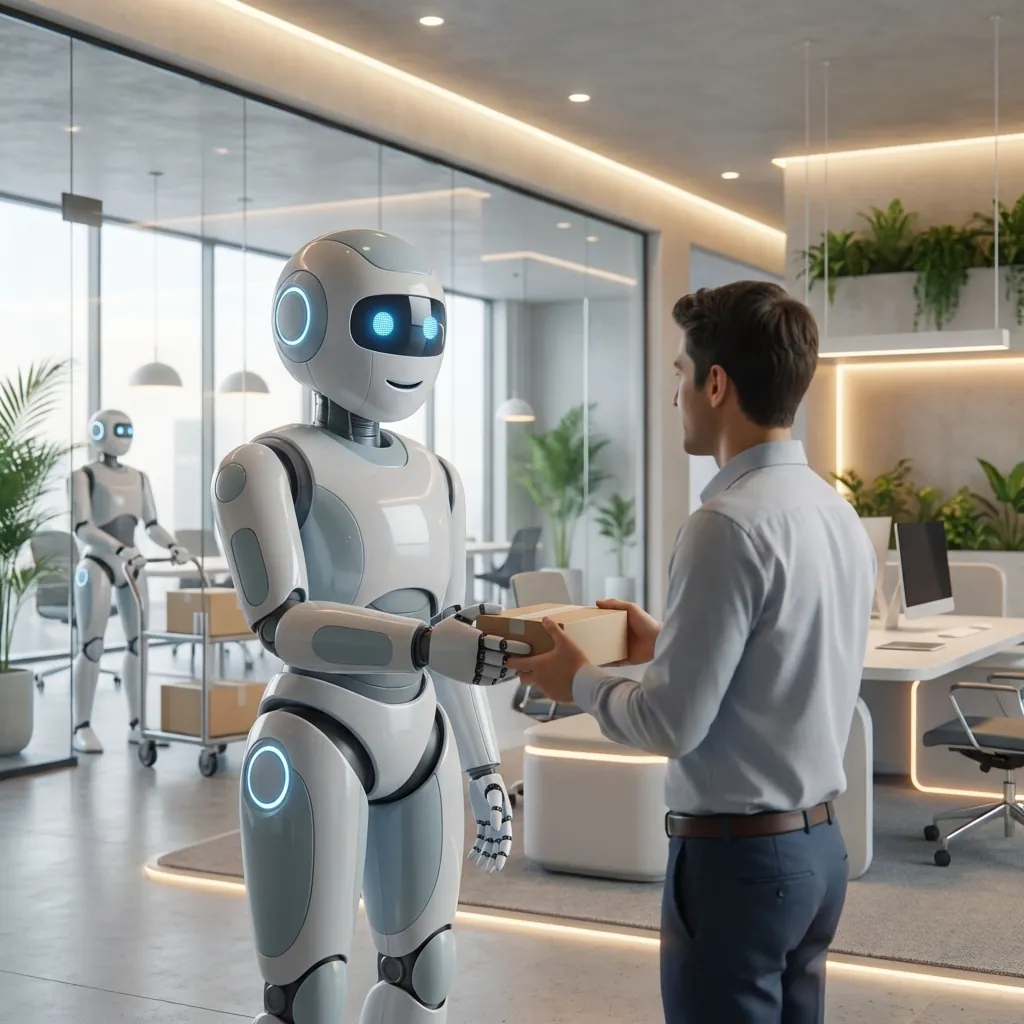
Embodied Intelligence: The Next Frontier
The concept of Artificial Intelligence has traditionally been confined to screens and servers—chatbots, data analytics, and digital assistants. However, 2026 marks the widespread adoption of Physical AI, or Embodied AI. This trend represents the migration of advanced AI models into physical machines, enabling them to perceive, reason, and act in the real world with unprecedented agility and autonomy.
Advanced robotics are no longer limited to cages in manufacturing plants. Thanks to breakthroughs in sensor technology and computer vision, robots are now capable of navigating complex, unpredictable environments like busy warehouses, city streets, and even homes. This shift is powered by "Foundation Models for Robotics," which allow machines to learn general-purpose skills rather than being programmed for a single repetitive task.
Where Physical AI is Making Impacts
- Humanoid Robots: General-purpose robots are entering the workforce to handle dangerous or physically demanding tasks in logistics and construction.
- Autonomous Last-Mile Delivery: Drones and sidewalk robots are becoming a common sight, efficiently delivering packages in urban areas.
- Smart Agriculture: Autonomous tractors and harvesters that manage crops with plant-by-plant precision.
- Elderly Care Assistants: Robots capable of providing physical support and companionship to the aging population.
Challenges and Opportunities
The rise of Physical AI brings immense opportunities for increased productivity and safety. In the industrial sector, it promises a future where hazardous jobs are handled entirely by machines, leaving humans to focus on supervision and creative problem-solving. However, this transition also raises important questions about workforce displacement and safety regulations.
Ensuring that these powerful machines operate safely alongside humans is the top priority for developers in 2026. "Collaborative Robotics" or "Cobots" are designed specifically for this purpose, equipped with sensitive skin-like sensors and AI safety protocols that prevent accidents. As we integrate these physical agents into our daily lives, we are witnessing the true maturation of the AI revolution—from digital thought to physical action.
Automate Your Operations
Explore how robotics and AI can transform your business efficiency.