
The Rise of Digital Payments in Sudan & UAE: A Tale of Two Markets
What does this article explain?
Payment projects in Sudan and the UAE face different provider and operating conditions. Review availability, reconciliation, connectivity and regulatory requirements.
Introduction
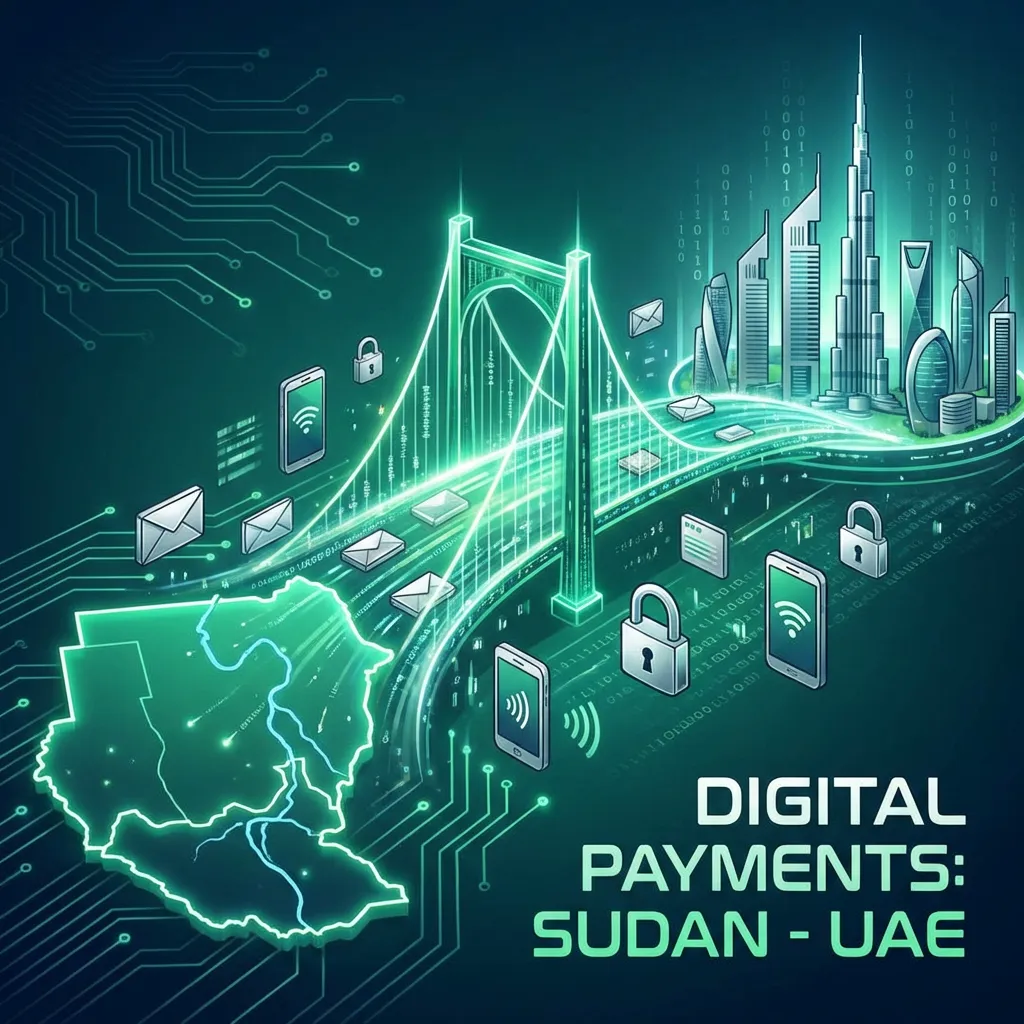
In 2026, the Middle East is witnessing a financial revolution, but it looks very different depending on where you stand. In the UAE, digital payments are about speed and integration—seamlessly embedded in every app. In Sudan, they are about survival and access—a lifeline for a population navigating economic turbulence.
This article explores how these two contrasting markets are shaping the future of Fintech in the region.
Sudan: Innovation Born of Necessity
In Sudan, the shift to digital wasn't just a trend; it was the only option. With liquidity crises and conflict, cash became scarce, forcing a rapid, nationwide adoption of digital banking.
The Champions
- Bankak (Bank of Khartoum): It’s hard to overstate the importance of this app. It has effectively become the national currency system, facilitating everything from grocery shopping to large real estate deals securely and instantly.
- MyCashi: Developing a robust mobile wallet ecosystem, MyCashi enables users to pay bills, top-up mobile credit, and transfer money seamlessly, serving as a vital tool for daily financial inclusion.
2026 Trends
- Offline-First Payments: Apps are now optimizing for low-bandwidth environments, allowing transactions to queue and sync when connectivity returns.
- Crypto as Rail: Increasing use of stablecoins (USDT) for cross-border settlements to bypass forex volatility.
UAE: The Cashless Vision 2026
The UAE’s path is driven by government strategy—specifically the CBUAE’s Financial Infrastructure Transformation (FIT).
The New Standard
- Open Banking & Finance: The 2025 implementation of open banking regulations has allowed Fintechs to build "Super Apps" that aggregate accounts from multiple banks, offering personalized investment advice and instant credit.
- Instant Payments Platform (IPP): Real-time fund transfers are now the norm, making "next business day" settlements a thing of the past.
- Embedded Finance: E-commerce platforms now offer "Buy Now, Pay Later" (BNPL) and insurance directly at checkout, seamlessly integrated via APIs.
Bridging the Gap
For business owners operating in both markets, the opportunity lies in Cross-Border Fintech.
- Remittances: Leveraging the UAE’s advanced infrastructure to build low-cost corridors for sending money to Sudan.
- Remote Workforce Payments: Using UAE-based platforms to pay Sudanese talent in stable currencies.
Conclusion
Whether driven by crisis or strategy, the destination is the same: a cashless, digital-first economy. For Sudanese founders, looking at the UAE provides a roadmap for what comes next—Open Banking and API-first regulations—once the infrastructure stabilizes.
Looking to Build Your Own Banking or Payment App?
Whether you are launching a Neo-bank, a mobile wallet, or a custom payment gateway, Smart Team delivers secure, scalable fintech solutions tailored to your market.